04.05.2026
"The first impulse for events often comes from the editorial teams."

Contact person
Gabriele Blömker
02501 801-1670
gabriele.bloemker@lv.de
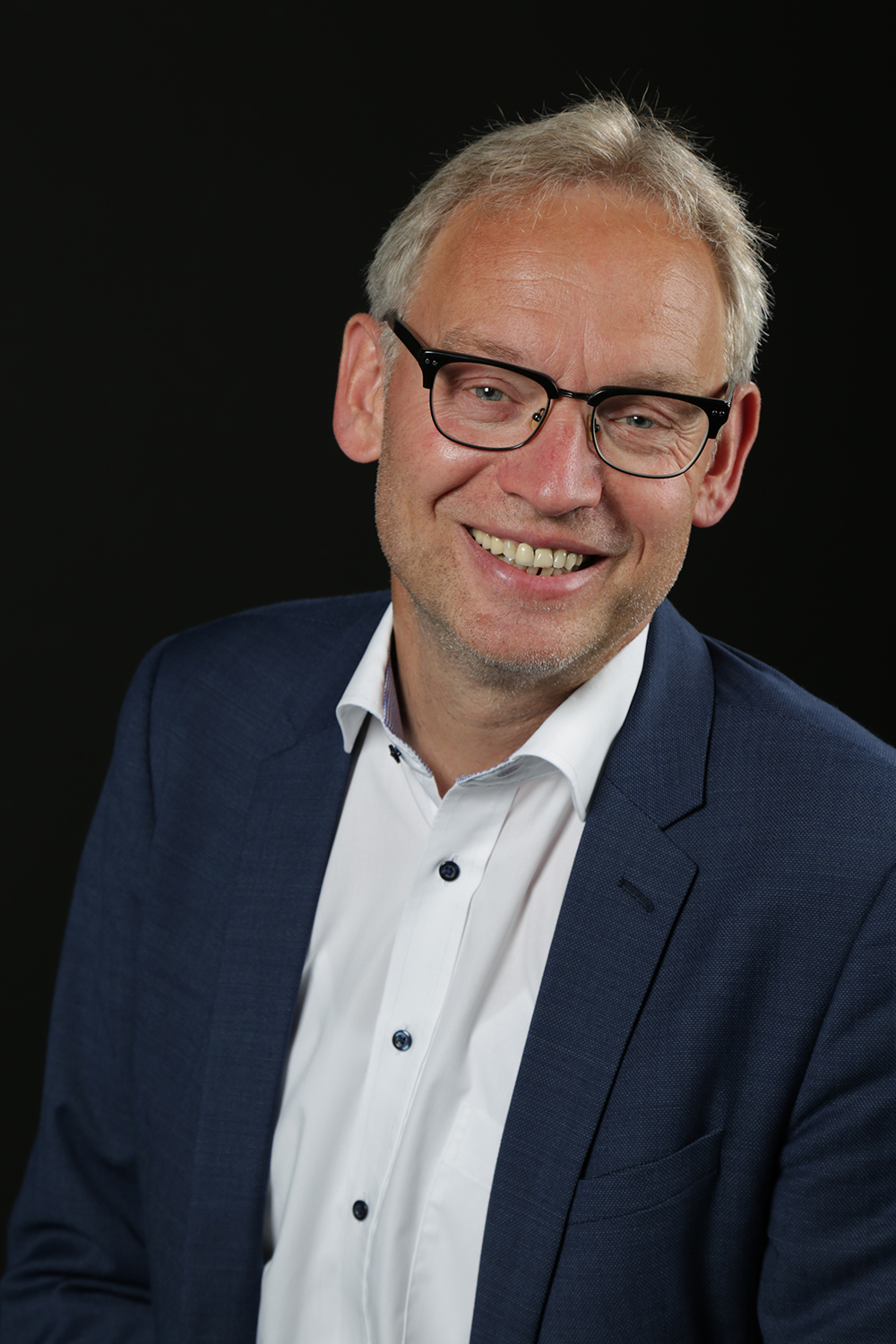
Dr. Ludger Schulze Pals

Olaf Holzhäuser

Tanja Pfisterer-Lang
Media service kress analyzes the event business of the Landwirtschaftsverlag corporate group Each year, the Landwirtschaftsverlag corporate group holds around 100 events, webinars, trade fairs, and other event formats – and the trend is growing. In doing so, the media and service company reaches around 400,000 visitors and is supported by approximately 3,000 exhibitors and sponsors. Overall, the corporate group generates annual revenue of €11 to €13 million from its event business. This corresponds to around 10% of total revenue. In the latest issue of “kress pro,” the media service analyzes the strategic approach of Landwirtschaftsverlag. “The development of this business area took place step by step. From individual events, which were initially mostly brand-related, a company-wide event strategy for the Landwirtschaftsverlag corporate group has evolved. This includes trade fairs, target-group-specific industry and specialist events, as well as political discussion formats. Depending on the concept and topicality, the events take place either in person or digitally,” describes Dr. Ludger Schulze Pals, Managing Director of Landwirtschaftsverlag, outlining the development. The range extends from high-level training courses for herd managers in dairy farming (trade magazine “Elite”), congresses for the food industry (trade magazine “Lebensmittel Praxis”), political discussions such as “Agriculture in Dialogue” or “Politics Meets Practice” (trade magazine “top agrar”), webinars on investment and renewable energies (trade magazine “Wochenblatt für Landwirtschaft und Landleben”), to the Mecklenburg Agricultural Exhibition (MeLA), which is organized by the trade fair company “European Green Exhibition GmbH” (E.G.E.) and attracts up to 70,000 visitors, or the rapidly growing AI festival data:unplugged (“Datenbusiness GmbH”), which is just over four years old.Crucial to success are precise target-group orientation, the choice of the right format, and the right timing. “Translated, this means: A short-notice information event regarding the acute effects of the Iran war on fertilizer and grain prices is most sensibly held digitally, for example in the form of a webinar, whereas an industry-relevant award ceremony with a strong networking character works much better as a physical daytime or evening event with an appropriately attractive supporting program. In addition, there are hybrid formats, which can, for example, enormously expand the reachable audience of an in-person event through live broadcasts. Often, the first impulse comes from the editorial teams,” describes Olaf Holzhäuser, Publisher of Specialist Media at Landwirtschaftsverlag, referring to the initial spark and the evaluation criteria that are decisive when designing an event.In the end, every event is individually tailored to participants, exhibitors, and sponsors. “For sponsors and exhibitors, content-related integrations (e.g. branded panels, thematic sessions), exclusive networking formats (round tables, VIP dinners), storytelling sponsorships (content-based rather than mere logo presence), as well as digital extensions (e.g. social clips, possibly livestream integration) are important. Less in demand are classic formats such as mere logo placements without added content value, standardized advertising packages without target-group relevance, and overly promotional appearances without editorial integration,” explains Tanja Pfisterer-Lang, Head of Media Sales, outlining key success factors in customer engagement.“In our experience, events are successful when the organizer is able to explain to participants, exhibitors, and sponsors why it is worthwhile to be involved, when format and target group are considered together, and when the organizer stays in touch with participants and supporters even after the event and keeps the conversation going, for example through results and photo documentation, etc. These are the principles we follow,” summarize Schulze Pals, Holzhäuser, and Pfisterer-Lang as the practical prerequisites for a successful event business.You can find the full article “The Impulse Comes from the Editorial Teams” in “kress pro,” issue no. 3/2026 (www.kress.de).